
The Relationship Between Breathing Patterns and Neck Muscle Overactivity in Athletes
Up to 75% of people with chronic neck pain show dysfunctional breathing patterns. In athletes, that number is clinically significant because poor breathing mechanics directly increase the workload on neck and shoulder muscles — muscles that were never designed to be primary breathing muscles.
What Is Actually Happening
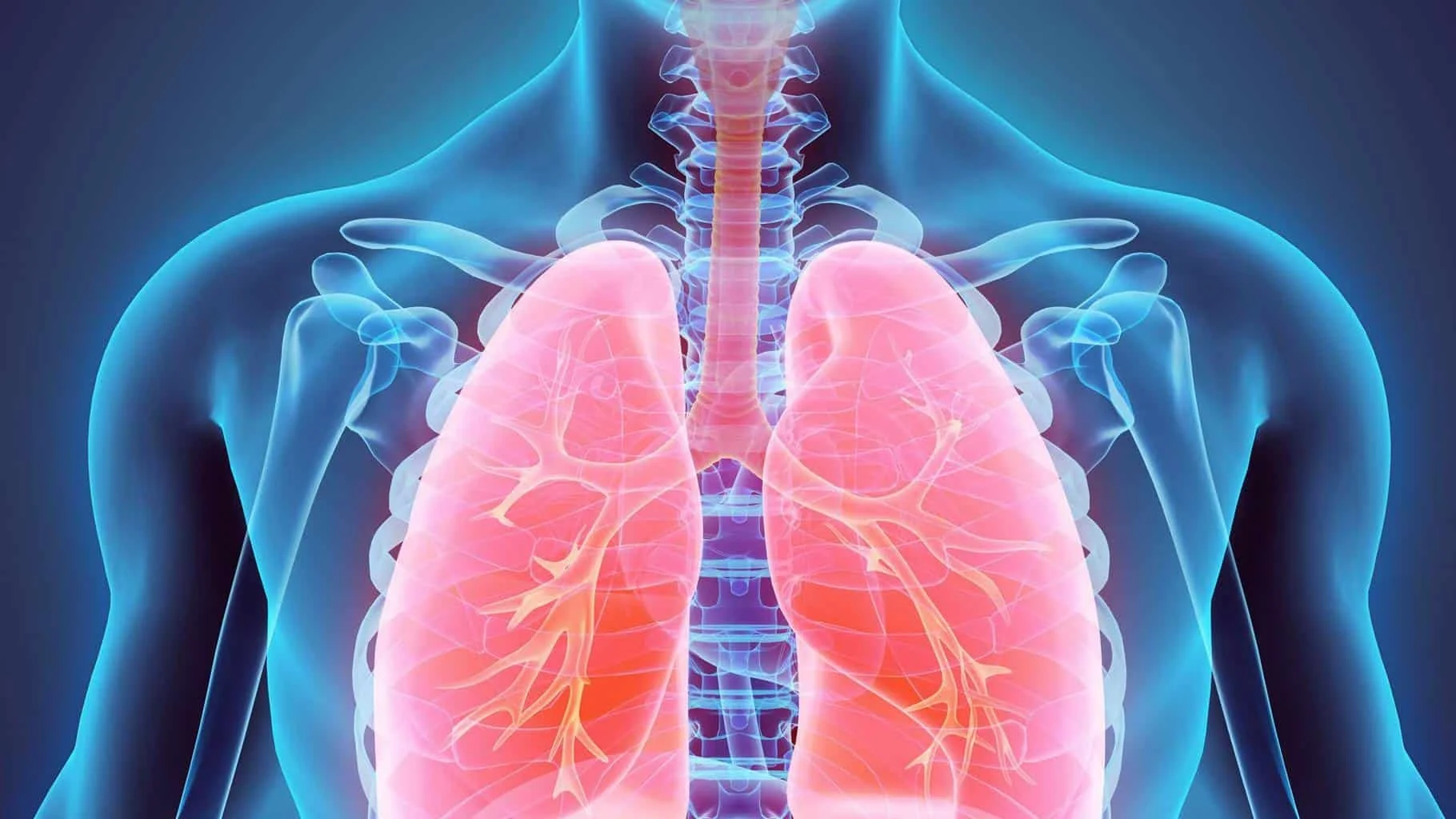
The diaphragm is the primary muscle responsible for breathing. It sits at the base of the rib cage and should handle the bulk of every breath.
When the diaphragm is underperforming — due to poor posture, training habits, or stress — the body shifts breathing responsibility upward. The scalenes, sternocleidomastoid (SCM), and upper trapezius muscles take over. These are called accessory breathing muscles, meaning they are backup muscles, not primary ones.
When these muscles are used for breathing, they are doing two jobs at once: stabilizing the head and neck while also pulling the ribcage upward with each inhale. That double workload creates chronic low-grade overuse. Over time, this shows up as tightness, restricted range of motion, recurrent neck pain, and headaches.
Why Athletes Are Particularly Vulnerable
High-intensity sport increases breathing demand. When breathing rate goes up and the diaphragm is already underloaded, the neck and shoulder muscles accelerate their compensation.
Research shows that athletes with forward head posture — a position where the head sits in front of the shoulders — demonstrate measurably increased EMG (muscle electrical activity) in the upper trapezius and SCM during breathing at rest. That is not just during exercise. That is during every breath, at all times.
A 2018 study published in the Journal of Orthopaedic and Sports Physical Therapy found that correcting breathing mechanics reduced upper trapezius muscle activity by an average of 32% in subjects with chronic neck pain. The correction was not a stretch or a strength exercise. It was a change in how they breathed.
The Mechanism in Plain Language
Here is the sequence that creates the problem:
Step 1: The diaphragm is underused, often from prolonged sitting, anterior pelvic tilt, or high training loads with poor recovery.
Step 2: Breathing shifts upward into the chest and neck.
Step 3: Scalenes, SCM, and upper traps contract with every breath — often 12 to 20 times per minute.
Step 4: Those muscles accumulate fatigue and tension faster than they can recover.
Step 5: Range of motion decreases, pain threshold lowers, and performance degrades.
This cycle does not resolve with stretching alone. Stretching a muscle that is overworking because it is compensating for a different system will produce temporary relief and recurring symptoms.
What to Look For Clinically
These are the observable signs that breathing is driving neck overactivity:
Upper chest rises first with each breath rather than the lower rib cage and belly
Visible scalene or upper trapezius activation at rest during quiet breathing
Reduced ability to maintain a neutral ribcage position under load
Neck symptoms that improve temporarily with manual therapy but return within days
History of poor recovery after high-volume training blocks
How Breathing Assessment Fits Into Performance and Rehab
In a physical therapy and performance context, breathing mechanics are assessed during the initial evaluation — not as an add-on, but as a core variable. Specifically:
Diaphragmatic excursion: How much the lower rib cage and belly move with each breath
Breathing rate at rest: Optimal is 10 to 14 breaths per minute for most adults
Accessory muscle recruitment: Whether the scalenes and upper traps visibly activate at rest
Breathing pattern under load: How mechanics shift during exercise or movement
When these patterns are identified early, intervention addresses the actual driver of neck overactivity rather than the symptom.
The Performance Implication
Neck muscle overactivity from poor breathing mechanics is not just a pain issue. It affects athletic output directly.
The cervical spine (neck) plays a role in proprioception — the body's sense of where it is in space. When neck muscles are chronically overloaded, proprioceptive accuracy in that region decreases. This affects head control, balance, and reaction time, particularly in contact sports, racquet sports, and any sport requiring rapid directional changes.
Additionally, thoracic mobility — the ability of the mid-back to rotate and extend — depends on the rib cage functioning well during breathing. When breathing is shallow and chest-dominant, thoracic mobility decreases. This limits overhead mechanics, rotational power, and shoulder function.
Key Takeaway
Neck overactivity in athletes is frequently a breathing problem, not just a posture or strength problem. The diaphragm drives the system. When it underperforms, the neck pays the price — one breath at a time, up to 20,000 times per day. Identifying and correcting the breathing pattern is a necessary step before manual therapy, stretching, or strengthening will produce lasting results.