
Velocity-Based Training vs. Linear Speed Development Constructs: A Practical Guide for Coaches Working Along the Force–Velocity Curve
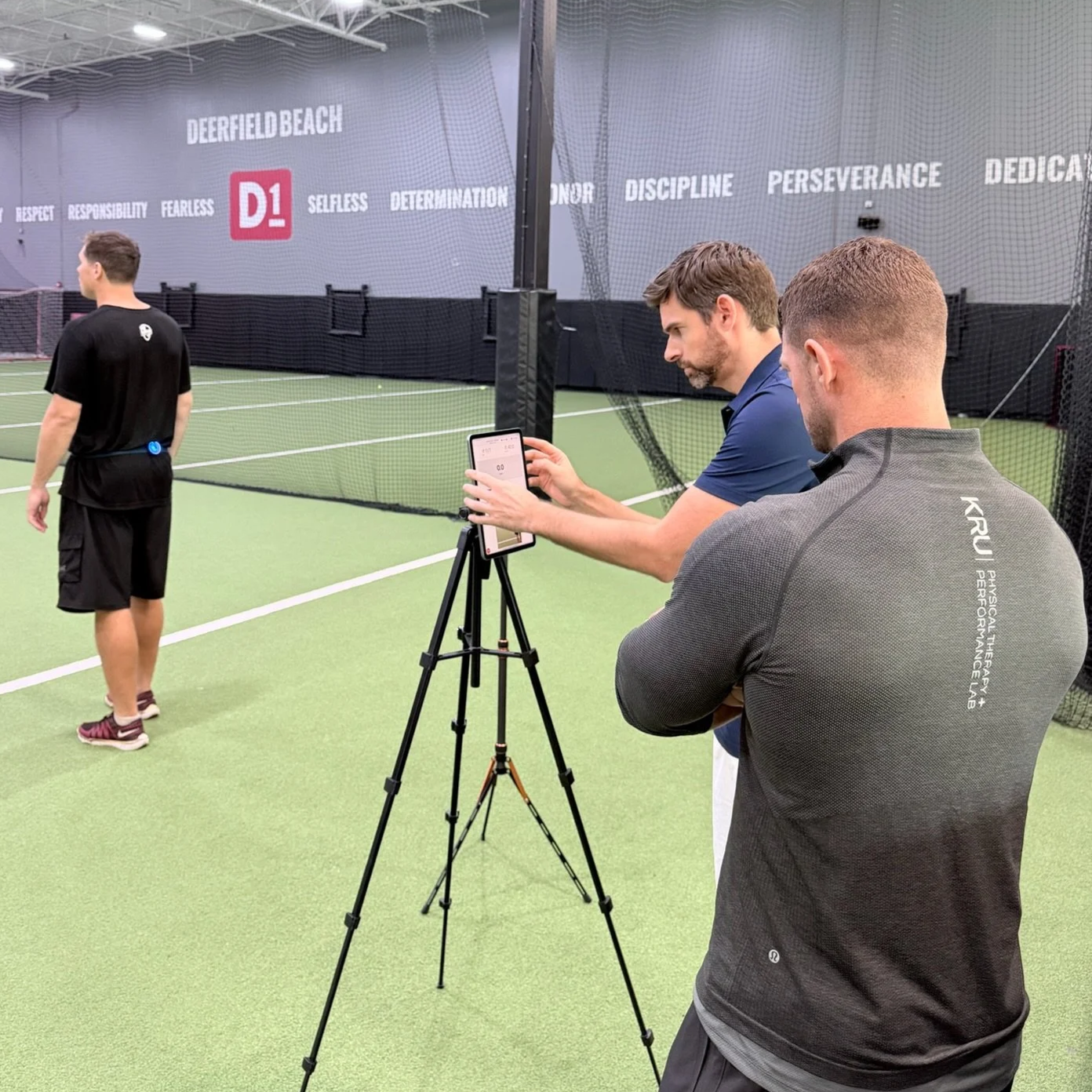
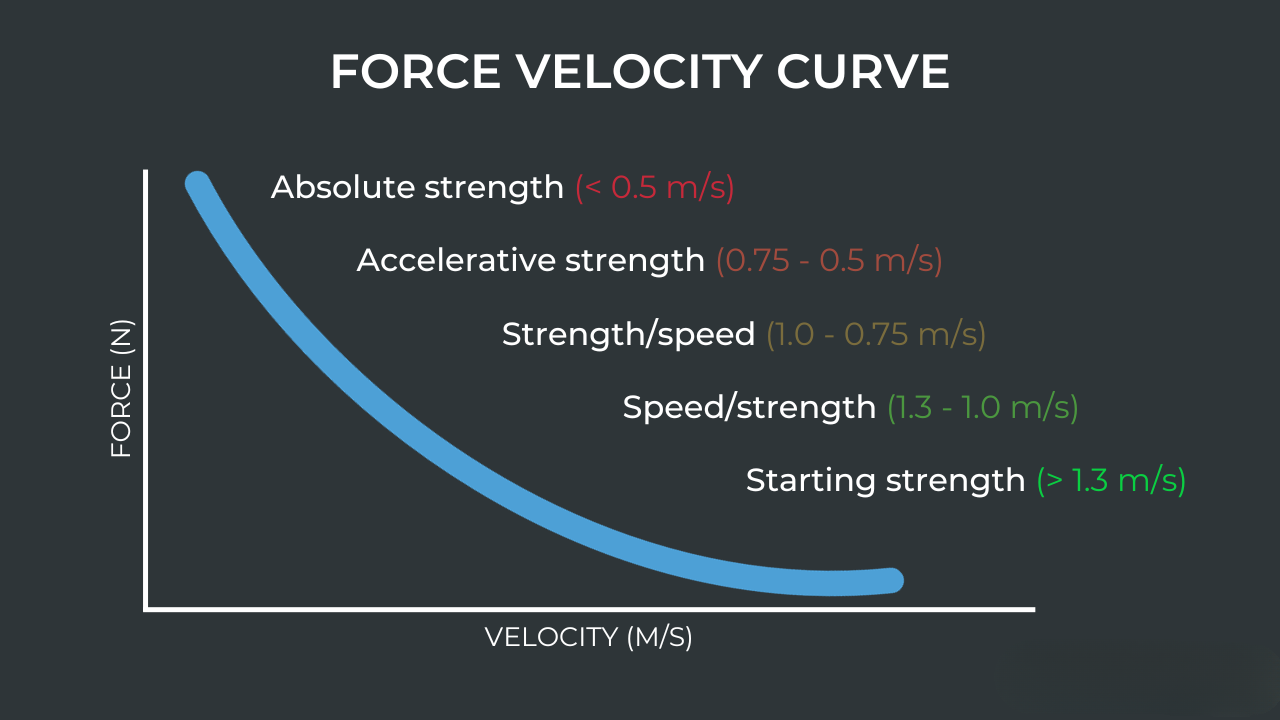
Linear speed is no longer trained by intuition alone. Acceleration, maximal velocity, and speed endurance are governed by distinct neuromuscular qualities, each anchored along the force–velocity (F–V) spectrum. For coaches and clinicians working with competitive athletes, the challenge is no longer what to train — it is how to quantify and progress speed development with precision. The force–velocity curve describes the inverse relationship between force and contraction velocity in muscle. In sprinting and strength training, it becomes a framework for understanding how an athlete produces movement.
Velocity-based training (VBT) has emerged as one of the most powerful tools for solving this problem. When applied correctly, it allows coaches to objectively assess bar or segment velocity under external load (m/s), identify performance bottlenecks, and prescribe targeted interventions that transfer directly to sprint performance. When applied poorly, it becomes another data stream without direction. Real value lies in how coaches interpret and apply the data collected by devices such as the Kinvent K-Power and other similar tech.
Why Linear Speed Must Be Trained Through the Force–Velocity Lens
Linear sprinting is not a single quality. It is an emergent behavior resulting from how an athlete expresses force across time and velocity.Traditional coaching often treats speed development as a universal prescription: more sprints, more drills, more resisted or assisted work — without understanding where the athlete actually needs adaptation.
From a mechanical standpoint:
Early acceleration (0–10 m) is force-dominant
Mid acceleration (10–30 m) reflects a blend of force and velocity
Max velocity (>30 m) is velocity-dominant
Every athlete exists somewhere along this continuum. Two athletes may run the same 40-yard dash time for entirely different reasons:
One may generate exceptional horizontal force but struggle to express velocity.
Another may move quickly but lack the force output to accelerate efficiently.
The Role of Velocity-Based Training in Modern Speed Development
Velocity-based training refers to the use of objective movement velocity data to guide training decisions rather than relying on percentages of max load, subjective observation, or fixed programming templates. In the context of linear speed development, VBT allows coaches to:
Measure how force and velocity are expressed, not just outcomes like sprint time
Track neuromuscular readiness and fatigue
Individualize sprint and strength interventions based on the data collected
Progress athletes with intent rather than volume
This approach aligns with broader trends in emerging rehabilitation and performance technologies — particularly wearable sensors and IMU-based systems — which emphasize ecological validity, real-world data capture, and actionable metrics rather than lab-only diagnostics.
Understanding the Force–Velocity Curve in Practice & Key Profiles Coaches Encounter:
Force-deficient athletes:
Struggle in early acceleration
Slow 5- and 10-yard splits collected by the K-Power
Often rely on high cadence to compensate
Velocity-deficient athletes:
Strong initial push but plateau early
Struggle to reach or sustain top speed
Often overly strength-biased in training history
Well-balanced athletes:
Efficient acceleration and max velocity
Clear transfer between weight room and field
Applying Force Velocity Profiles to Linear Speed Training: Step-by-Step
Step 1: Establish Baseline Sprint Metrics
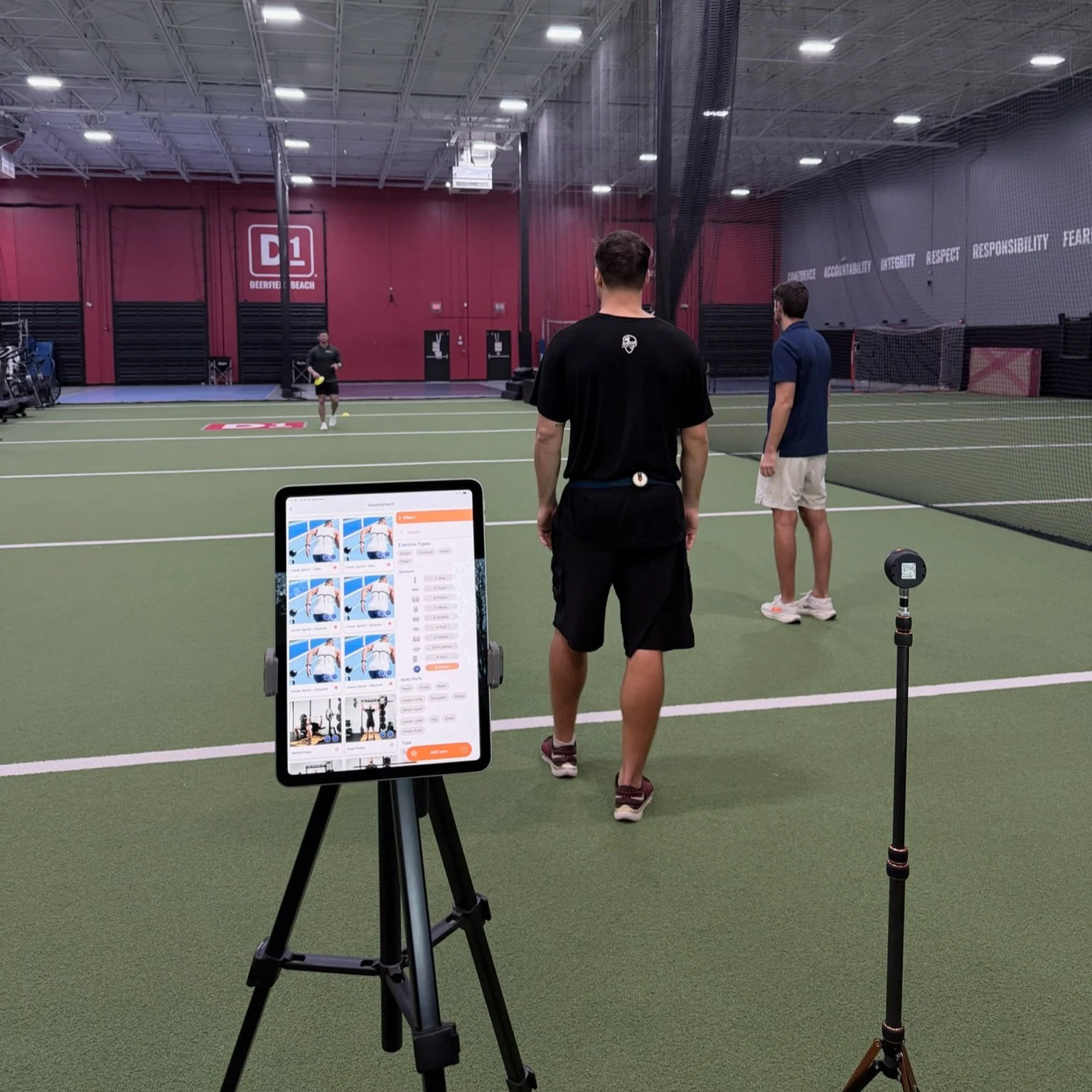
Using Force–Velocity Profiling for Sprint Acceleration tools (i.e., K-Power) to collect:
Short-distance sprint data (e.g., 5/10/20/30/40 yd splits)
Peak sprint velocity
Velocity–time curves
These metrics reveal:
Acceleration efficiency
Rate of velocity increase
Where velocity plateaus occur
In our NFL Combine Prep environment, this step is critical. Athletes are not trained generically for the 40-yard dash — they are profiled to determine which segment of the sprint limits their performance.
Step 2: Link Sprint Outputs to Strength and Power Expression in the Weight Room via VBT
Sprint performance does not exist independently of the weight room. Velocity-based training allows coaches to connect barbell velocity of squats, jumps, or pulls to (1) sprint velocity during acceleration and (2) power outputs relative to body mass.
If an athlete shows:
Low sprint acceleration velocity + low concentric barbell velocity at moderate loads (<0.5 m/s) - the issue is likely poor force production capacity, not sprint technique.
High force outputs + poor max velocity - may indicate a need for velocity-dominant work rather than additional strength training.
Step 3: Prescribed Training Based on Force–Velocity Deficits:
For force-deficient athletes:
Heavy resisted sprints
Sled pushes with velocity targets
Strength lifts performed in lower velocity zones
Emphasis on horizontal force orientation
For velocity-deficient athletes:
Unresisted or lightly resisted sprints
Assisted sprinting (when appropriate)
Ballistic and elastic strength work
Higher bar velocities with moderate loads
Velocity-based training ensures that intensity stays within the desired velocity bands — preventing strength work from drifting into slow, non-specific adaptations.
Step 4: Monitor Performance Fatigue with the Speed Sensors
During sprint sessions:
Declines in sprint velocity indicate neuromuscular fatigue
Coaches can adjust volume immediately
Quality is preserved over quantity
In strength sessions:
Velocity loss thresholds prevent excessive fatigue
Athletes stay within adaptive zones
Transfer to sprint performance improves
Integrating Force-Velocity Profiles Across Environments
In the Clinic:
Objectively measuring readiness to progress
Quantifying asymmetries post-injury
Supporting return-to-sprint decisions
In the Weight Room:
Load selection becomes dynamic
Daily readiness guides intensity
Strength qualities are trained with sprint transfer in mind
This ensures that weight room work supports (rather than competes with) speed development.
On the Field:
Sprint mechanics are trained at true sprint speeds
Acceleration work remains force-specific
Max velocity work remains elastic and fast
Teaching Athletes to Understand Their Own Profiles
One of the most powerful outcomes of velocity-based training is athlete education. When athletes understand:
Why they are performing certain sprint drills
How force and velocity relate to their performance
What their data indicates about progress
Compliance improves, intent increases, and training quality rises. This is a cornerstone of our approach in elite preparation environments — athletes are not passive participants, but informed collaborators.
Technology as an Enabler, Not the Driver
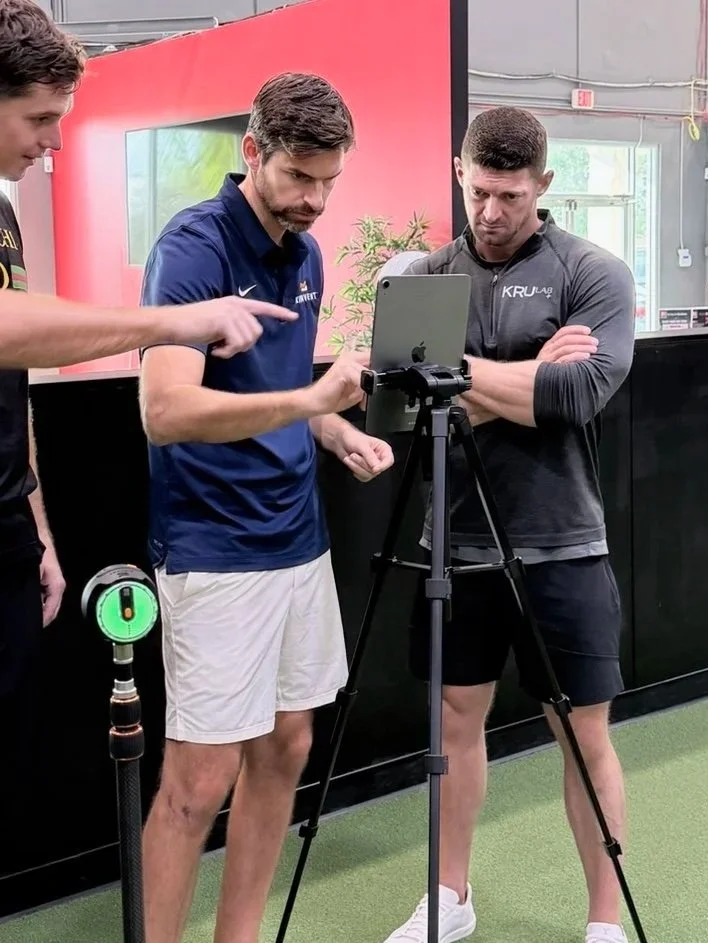
While hybrid VBT tools such as the K-Power system allow coaches to assess velocity in both sprinting and strength training contexts, the technology itself is secondary to the framework. The best technology is the one that integrates seamlessly into daily practice without disrupting training flow.
Tech integration succeeds when:
Coaches understand the force–velocity curve
Data informs decision-making, not replaces coaching
Metrics are linked to clear training outcomes
Why This Matters for High-Performance Outcomes
At the elite level, marginal gains determine careers. For coaches, therapists, and sport scientists, it represents a shift from training harder to training with intent.
Tech integration provides:
Objective justification for training decisions
Clear documentation of athlete progression
Defensible return-to-performance benchmarks
Improved transfer from the weight room to the field work application
Coaching Along the Curve
Linear speed development is not about choosing the right drill — it is about applying the right stimulus at the right point on the force–velocity curve.
Velocity-based training offers a framework that:
Respects individual athlete needs
Aligns clinic, weight room, and field
Elevates coaching from art alone to applied science
When used correctly, coaches can move beyond guesswork and toward precise performance development.
For those preparing athletes for the highest levels of competition, including the NFL Combine, this approach is no longer progressive — it is foundational.